Workwear for metalworking, welding and energy
Certified protective clothing with the care that keeps its protective properties intact. We inspect, repair and replace – so the protection works on more than just the first day.
Expert advice for your business
Expert, no-obligation advice for your sector.
By submitting this enquiry you agree that we process your data in order to reply. More in our privacy policy.
Home › Industries › Workwear for metalworking, welding and energy
We work with metalworking, welding, foundry, machine building and energy companies
Protective properties do not last forever
Garments in this sector are Category III protective equipment. The certificate applies to the product – not to its condition after two years of wear and laundering.
Regulation (EU) 2016/425
Category III – the strictest requirements, applied to risks that may cause serious injury.
Protection fades
Flame-retardant properties and reflective tape fade before the garment looks worn out.
Who is accountable
The employer must ensure the equipment still works – not merely that it was purchased.
Not sure whether your garments still meet the standard?
Call us or send an enquiry – we will help you assess it, with no obligation.

Our solution
How we keep the protection intact
The certificate covers the product – we make sure it also covers its condition. Three things we do for you:
Laundering to the manufacturer's programme
Every garment is processed only on the programme approved by the fabric manufacturer – so flame-retardant, antistatic and reflective properties are not compromised.
Cycle tracking and timely replacement
We track the wash cycles of every garment and replace it while the protection still holds – rather than waiting for an employee to notice the wear.
Documented compliance
We provide care records that evidence garment compliance during a health and safety audit or inspection.
Who takes care of what
If you buy the garments yourself
- •Choosing the standards for each process
- •Sticking to the laundering programme
- •Counting the wash cycles
- •Monitoring reflective tape and seams
- •Repairing without compromising protection
- •Evidence during an audit
If you rent from North Wave
- •We select garments based on your risk assessment
- •We launder on the manufacturer’s programme
- •We track the cycle count for you
- •We inspect every garment that comes back
- •We repair with original materials
- •We provide the care documentation
The standards we use to select garments
The exact combination depends on your processes. We will help you work out which standards apply to you.

EN ISO 11612
Protection against heat and flame.

EN ISO 11611
Clothing for welding and allied processes.
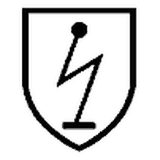
EN 1149-5
Electrostatic properties.
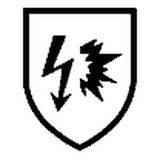
IEC 61482-2
Protection against electric arc.

EN ISO 20471
High visibility.

EN ISO 13688
General requirements for protective clothing.
Garments for welding work
Jacket, bib and brace and trousers in cotton with a flame-retardant finish (EN ISO 11612), with contrasting shoulder detailing. We agree the required combination of standards and sizes after assessing the risks in your work.
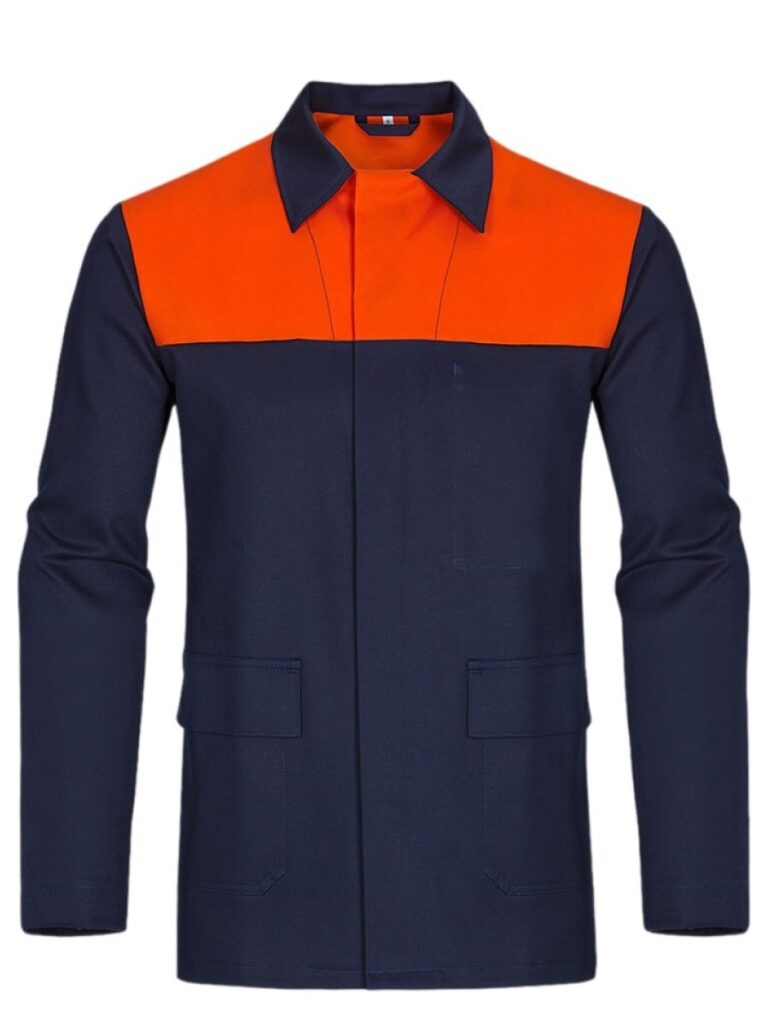
Welder's jacket
- ✓100% cotton with a flame-retardant (FR) finish
- ✓410 g/m²
- ✓Sizes XS–2XL
- ✓EN ISO 11611 (class 2), EN ISO 11612
- ✓Inside pockets and two roomy lower pockets
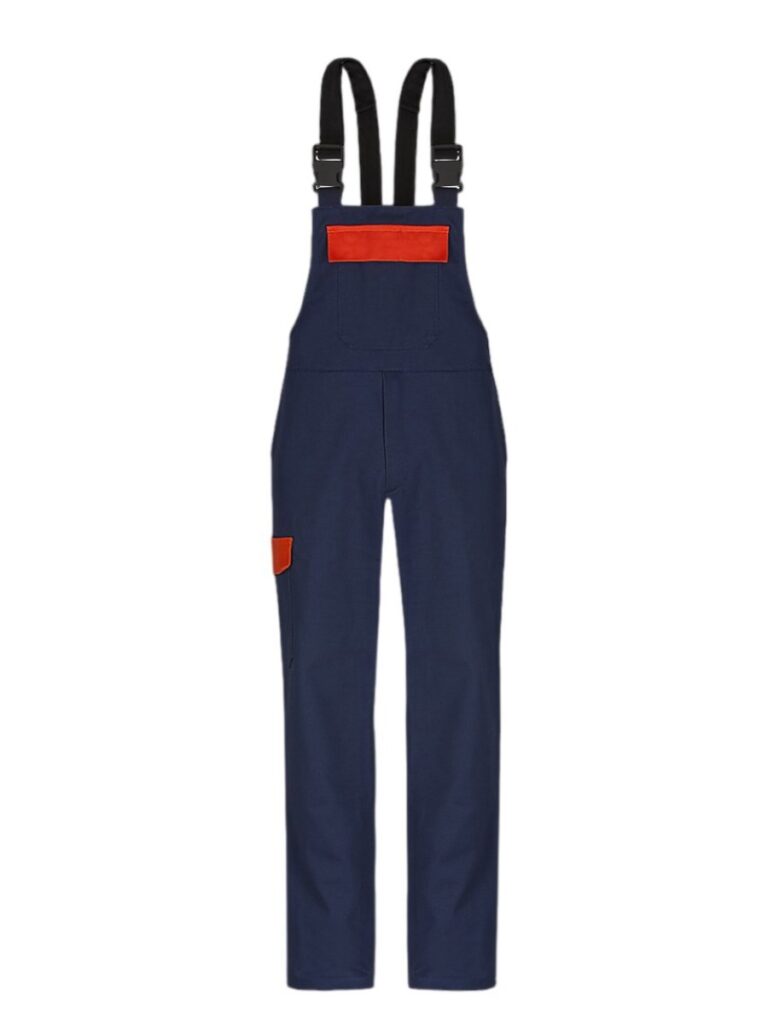
Bib and brace
- ✓100% cotton with a flame-retardant (FR) finish
- ✓410 g/m²
- ✓Sizes XS–2XL
- ✓EN ISO 11611 (class 2), EN ISO 11612
- ✓Side fastening with a concealed button and press studs
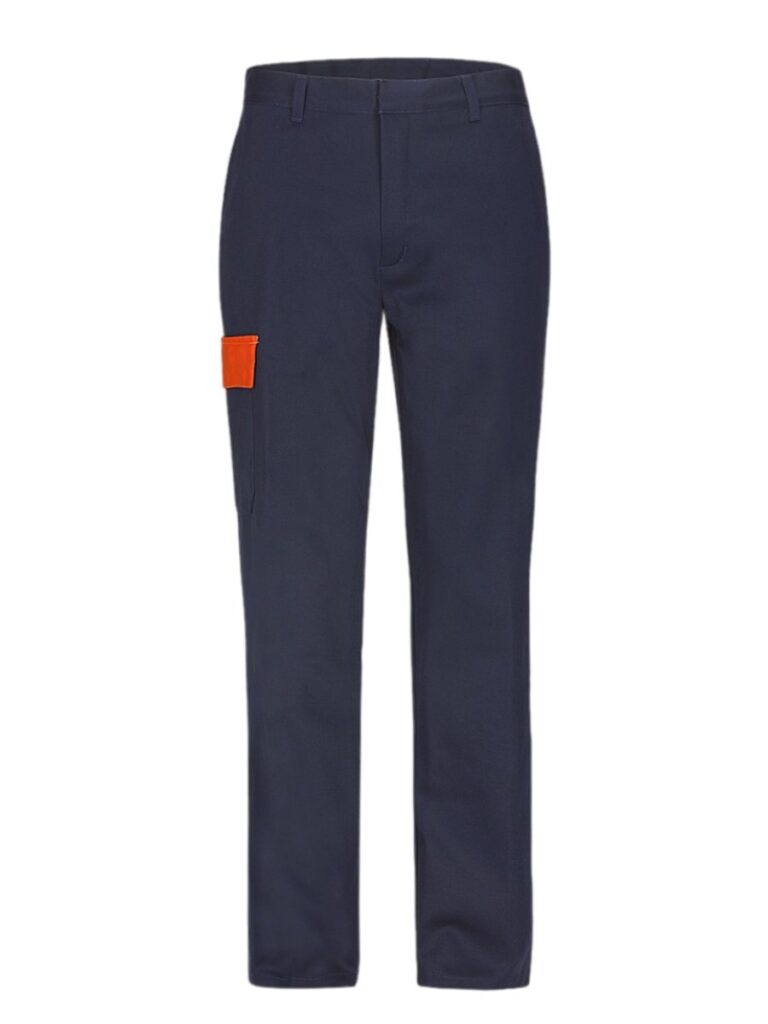
Trousers
- ✓100% cotton with a flame-retardant (FR) finish
- ✓410 g/m²
- ✓Sizes XS–2XL
- ✓EN ISO 11611 (class 2), EN ISO 11612
- ✓Thigh pocket and rear pocket with flap
The full range of protective clothing
Workwear and protective clothing catalogue
The Basic and Comfort lines, knitwear, certified welding garments and Fristads Fusion – in one PDF.
- ✓Product details with fabric composition and weight
- ✓Size ranges and colour options
- ✓What the rental service includes
- ✓Certificates and quality data
You will see the link immediately and receive it by email. It is valid for 24 hours.
Common questions
Answers to the questions metalworking companies ask most often.
Yes. Where a risk assessment shows that personal protective equipment is needed, the employer must provide it free of charge and ensure it is in suitable condition. The duty covers not only issuing it, but also its care and replacement.
Technically yes, but then nobody can guarantee the protective properties survived. Household softeners and the wrong temperature can destroy flame-retardant properties. The garment will look sound, but will no longer protect.
You need to track the number of wash cycles and check the condition of the fabric, seams and reflective tape. Manufacturers state a maximum number of treatments. With rental, we keep those records.
Accountability sits with the employer. So what matters is not only which garments were bought, but whether it can be evidenced that they still meet the standard.
They can, but only with suitable materials and methods – otherwise the repair voids compliance. We repair in a way that preserves the certified properties, or we replace the garment.
There is no single answer – it depends on intensity, process and the number of washes. What matters more is that someone monitors it. With rental we take on that task.
For standard sizes, a few days. For specific certified garments the timing is agreed separately.
A free assessment of your risks and garments
We will visit, look at your processes and assess which standards apply and what condition your current garments are in. With no obligation.