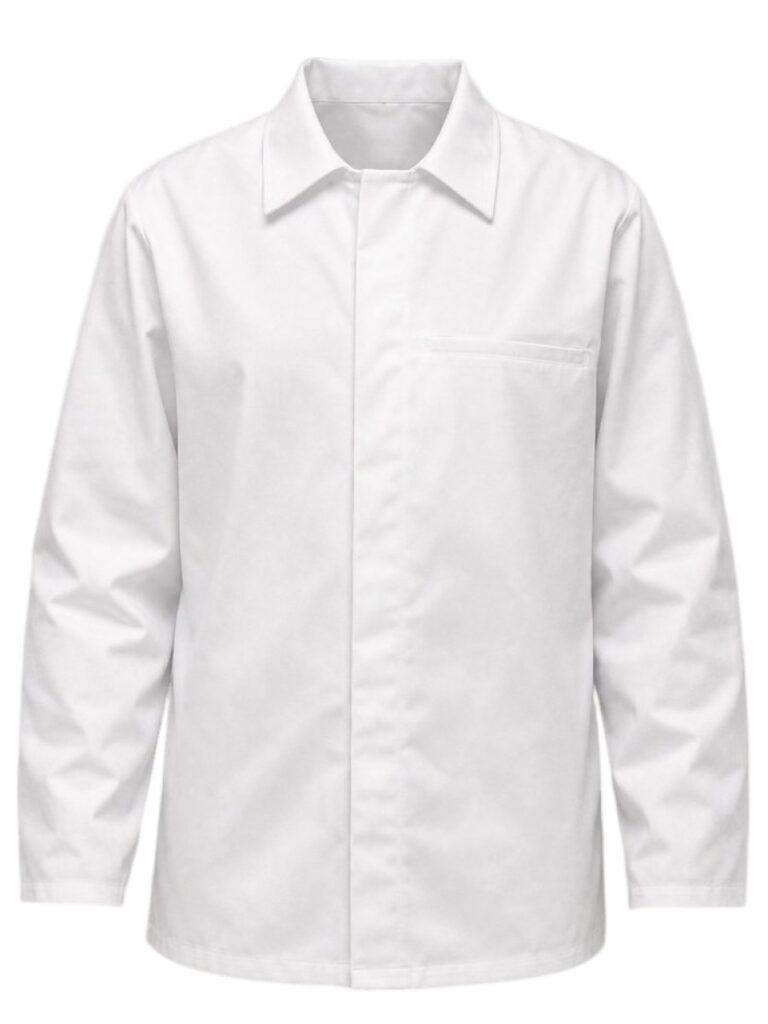
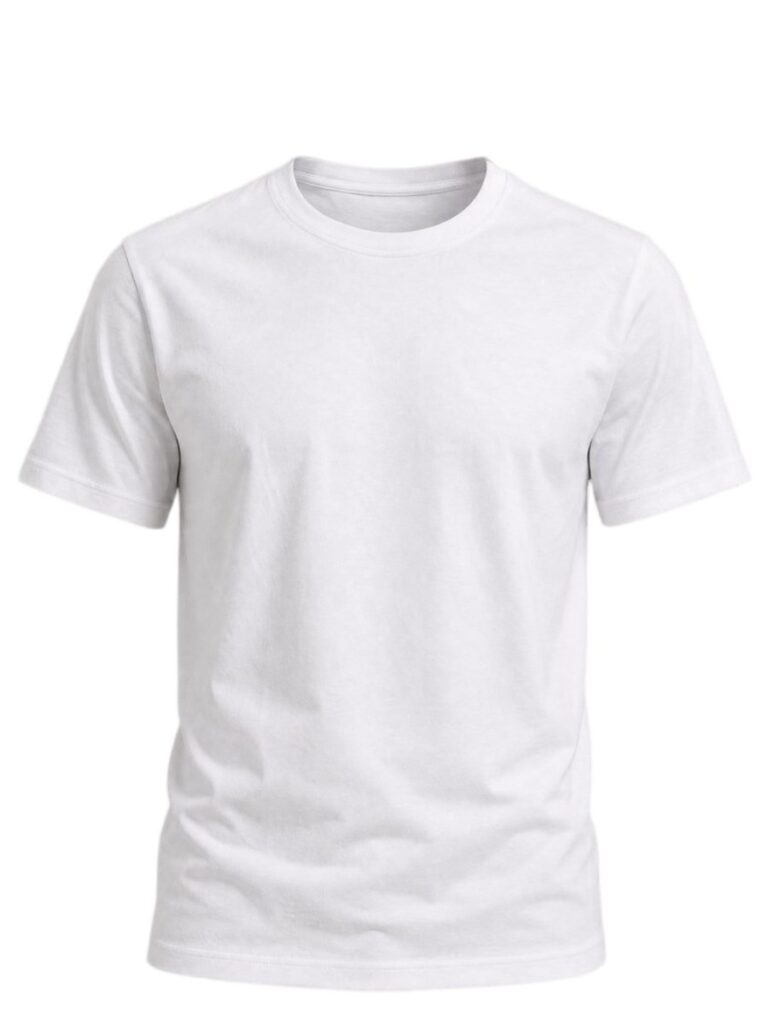
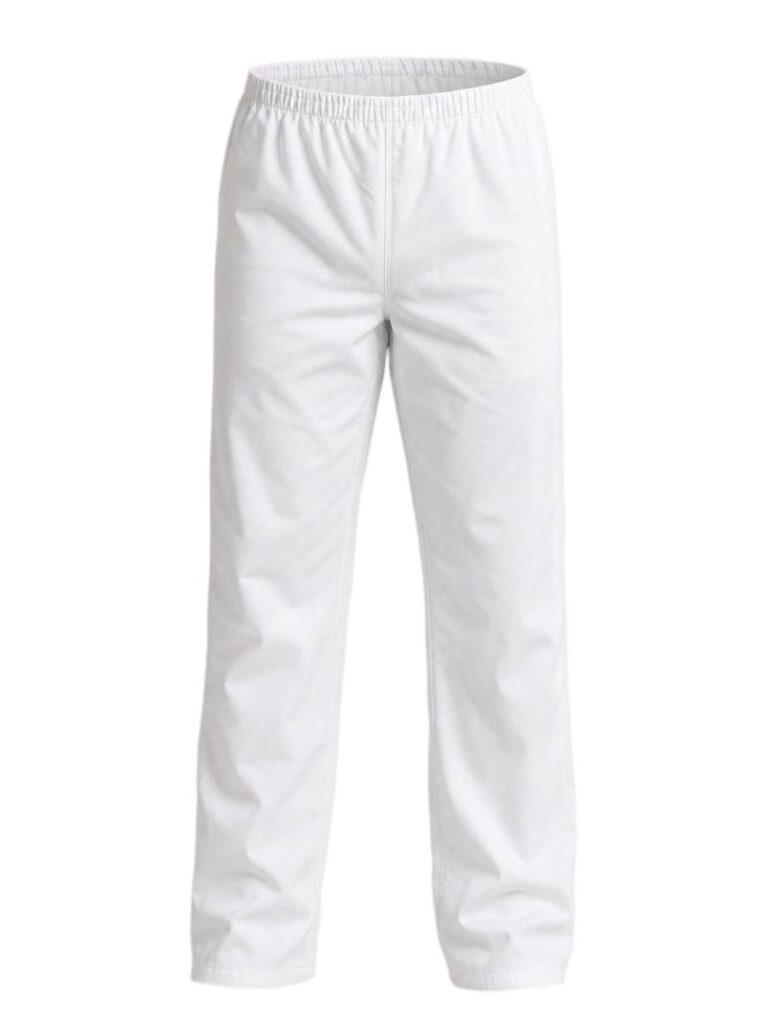
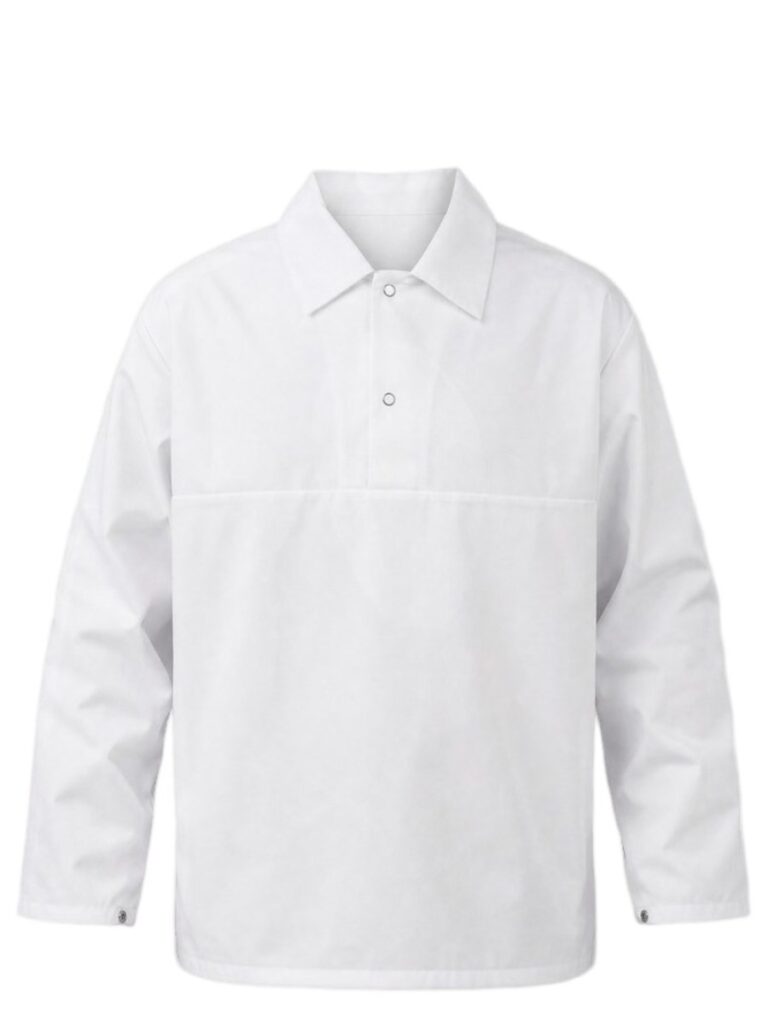
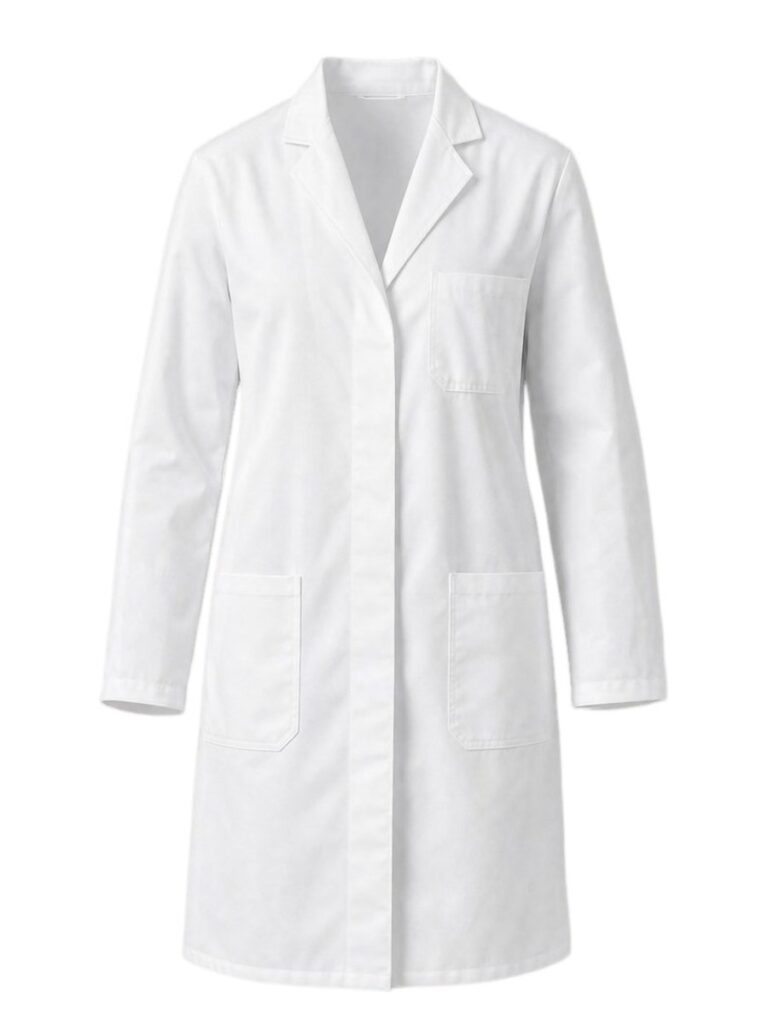
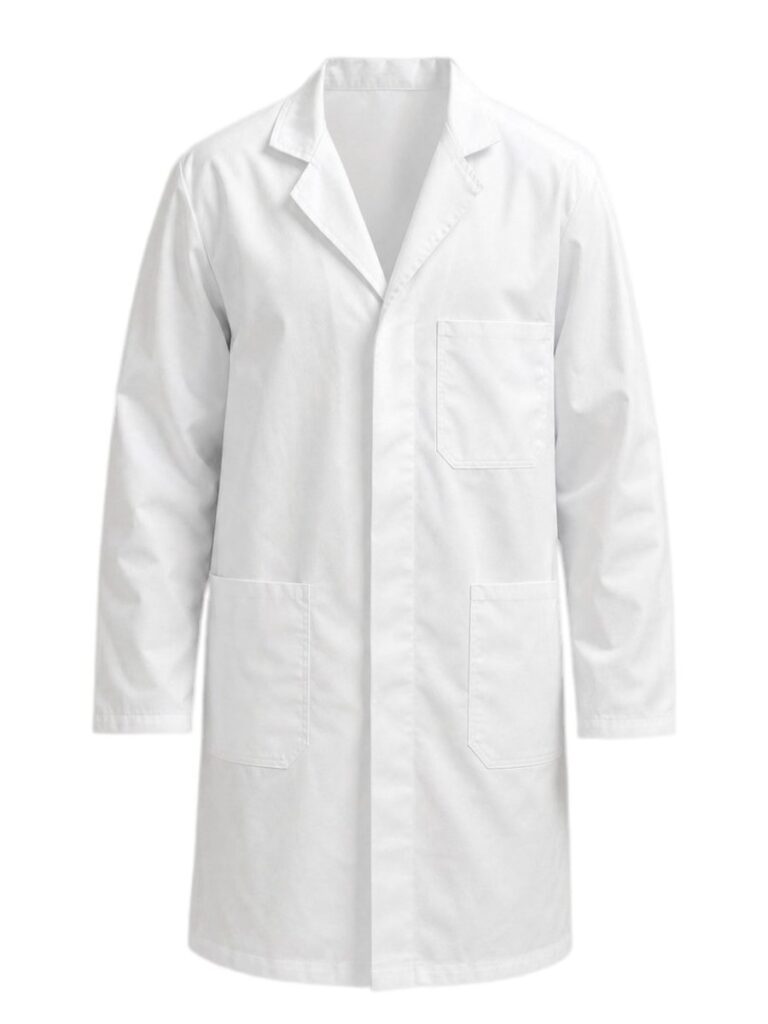
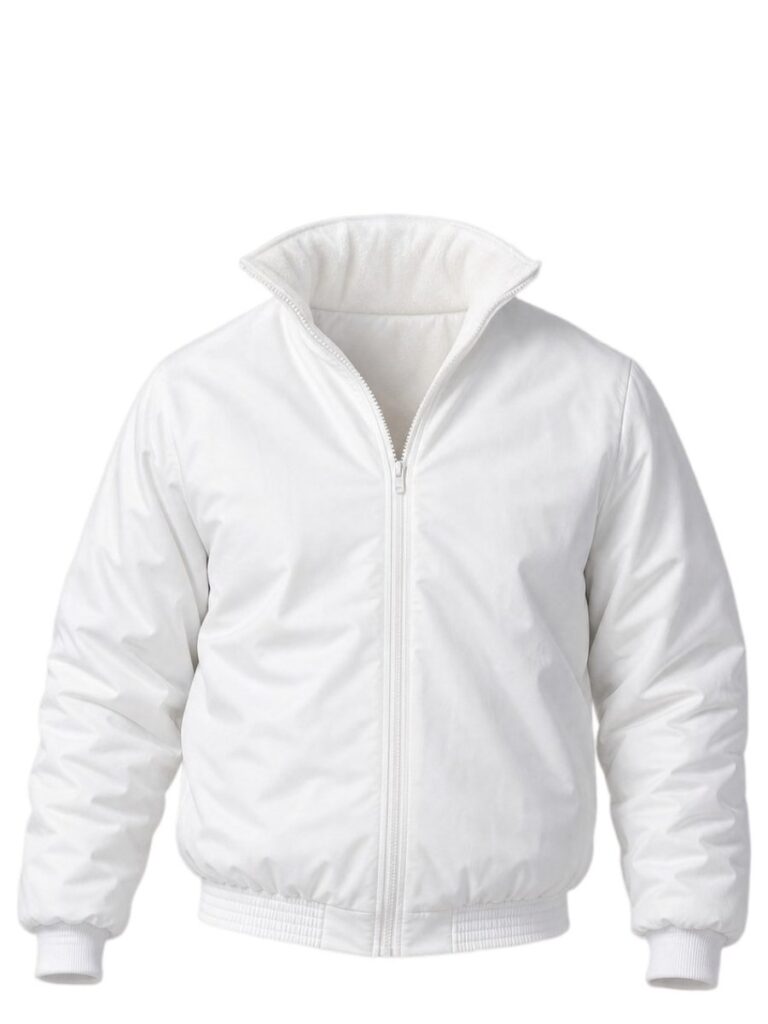
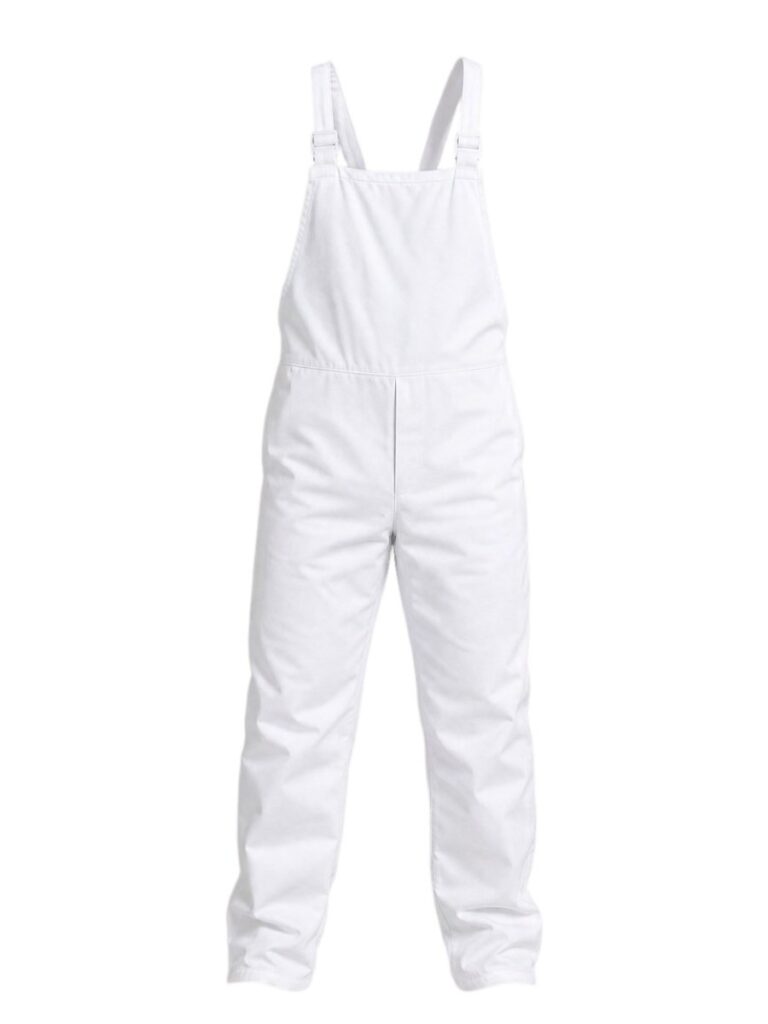
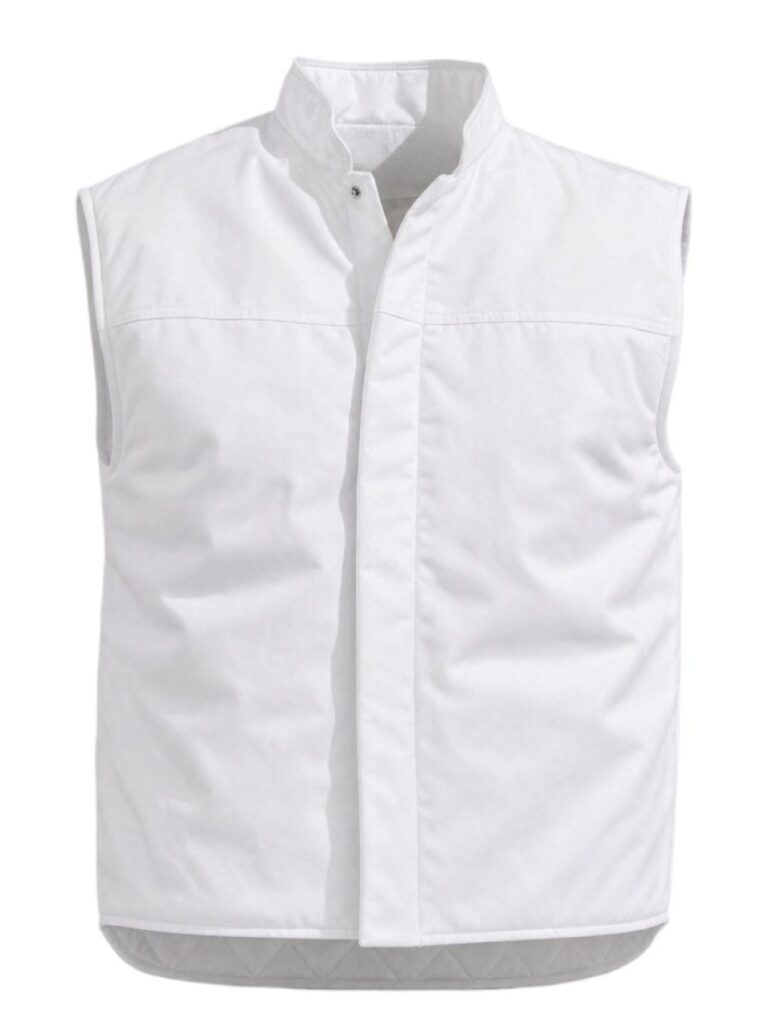
Garments that meet hygiene requirements, with certified laundering, regular inspection and replacement. You do not have to buy them, wash them or keep track of when a garment needs replacing.
Expert advice for your business
Expert, no-obligation advice for your sector.
By submitting this enquiry you agree that we process your data in order to reply. More in our privacy policy.
Home › Industries › Workwear for the food industry
We work with food production, processing and packaging companies from 20 employees upwards
Clean garments in a food area are not a recommendation – they are a requirement
In food handling areas, garments are part of the hygiene system. What matters is not only what you bought, but whether you can demonstrate how it is cared for.
Regulation (EC) 852/2004
Suitable clean clothing must be worn in a food handling area. That is the employer’s duty.
What an inspection checks
Not the type of garment, but its condition: is it clean, is it worn out, can the laundering be evidenced.
Who is accountable
Accountability sits with the food business – not the employee and not the supplier.
Not sure which requirements apply to your areas?
Call us or send an enquiry – we will help you work it out, with no obligation.
Hygiene line – maximum hygiene for the highest-risk areas
Designed for the highest-risk areas where hygiene is the absolute priority. Light, breathable fabrics, concealed fastenings and minimal seams reduce the risk of contamination and make cleaning easier.
Yes. Hygiene Regulation (EC) No 852/2004 states that people working in food handling areas must wear suitable clean clothing, and ensuring this is the employer’s duty. In practice that means not only buying the garments, but also keeping them clean and in sound condition.
There is no formal prohibition, but in food handling areas it creates a serious risk: at home neither the process nor evidence of it can be assured. If an inspector asks how laundering is controlled, “employees wash it themselves” is not an adequate answer.
It depends on the risk level of the area. In the highest-risk areas garments have no external pockets, concealed fastenings and minimal seams. In lower-risk areas the requirements are lighter. We will help you choose according to your zone map.
Accountability sits with the food business. So what matters is not only which garments were bought, but whether their care can be evidenced. With rental, the laundering process and its records are on our side.
There is no single answer – it depends on intensity and fabric. What matters more is that someone monitors wear. With rental we take on that task: a worn garment is replaced without a separate order from you.
In high-risk areas (open product, fresh produce) the requirements are strictest. In medium- and low-risk areas – packing, storage, technical – simpler garments are allowed. It is worth using a different colour or marking for each area.
We use cookies so that the website works properly and your visit is more convenient. Strictly necessary cookies are always on – analytics and marketing cookies are your choice.